
Community-Led Mental Wellness
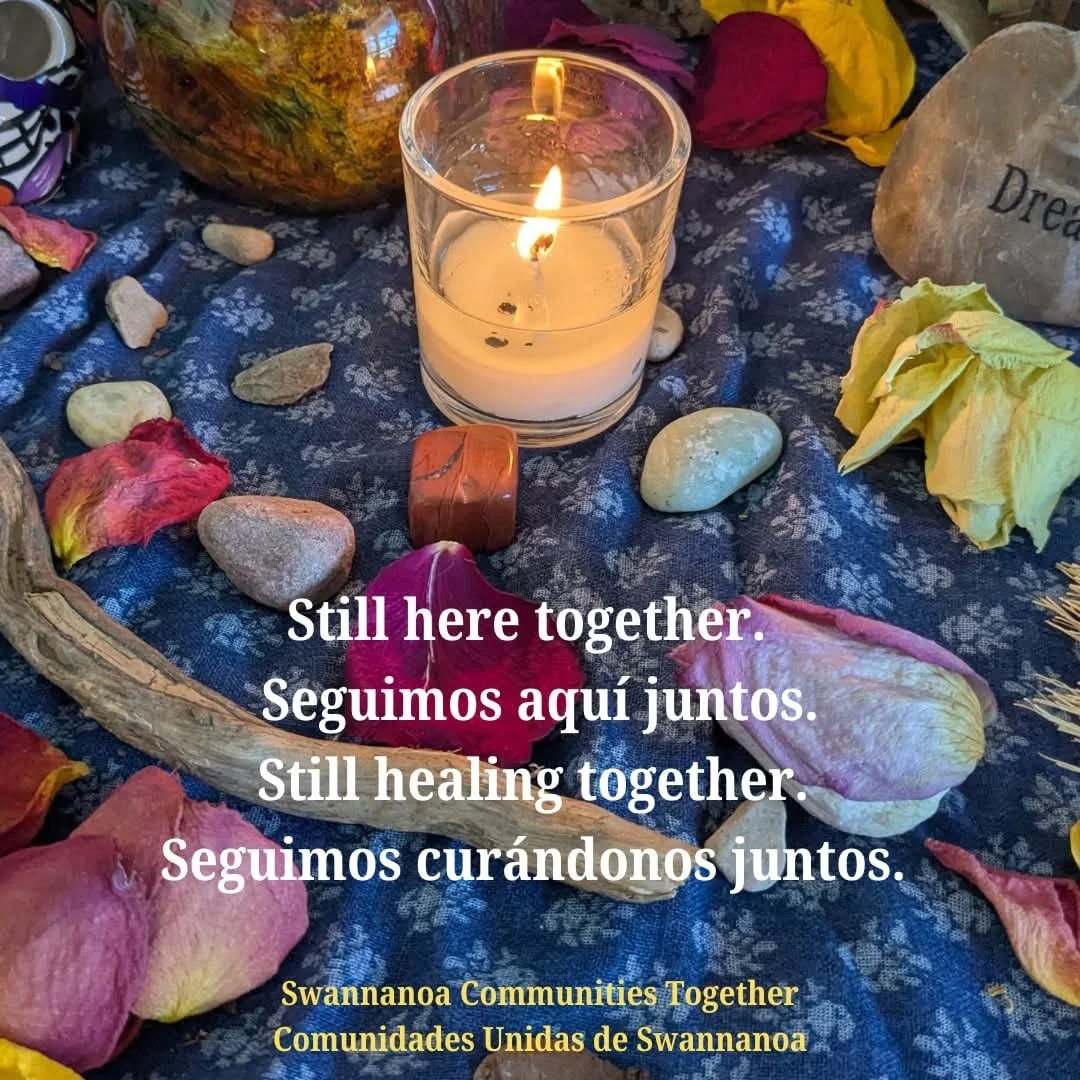
The Disaster after the Disaster
As we approach the two year anniversary of Helene, we still face a long road to recovery in Western North Carolina. Housing, financial insecurity, and food continue to be critical issues.
Mental health and well being have become equally urgent in disaster-impacted communities.
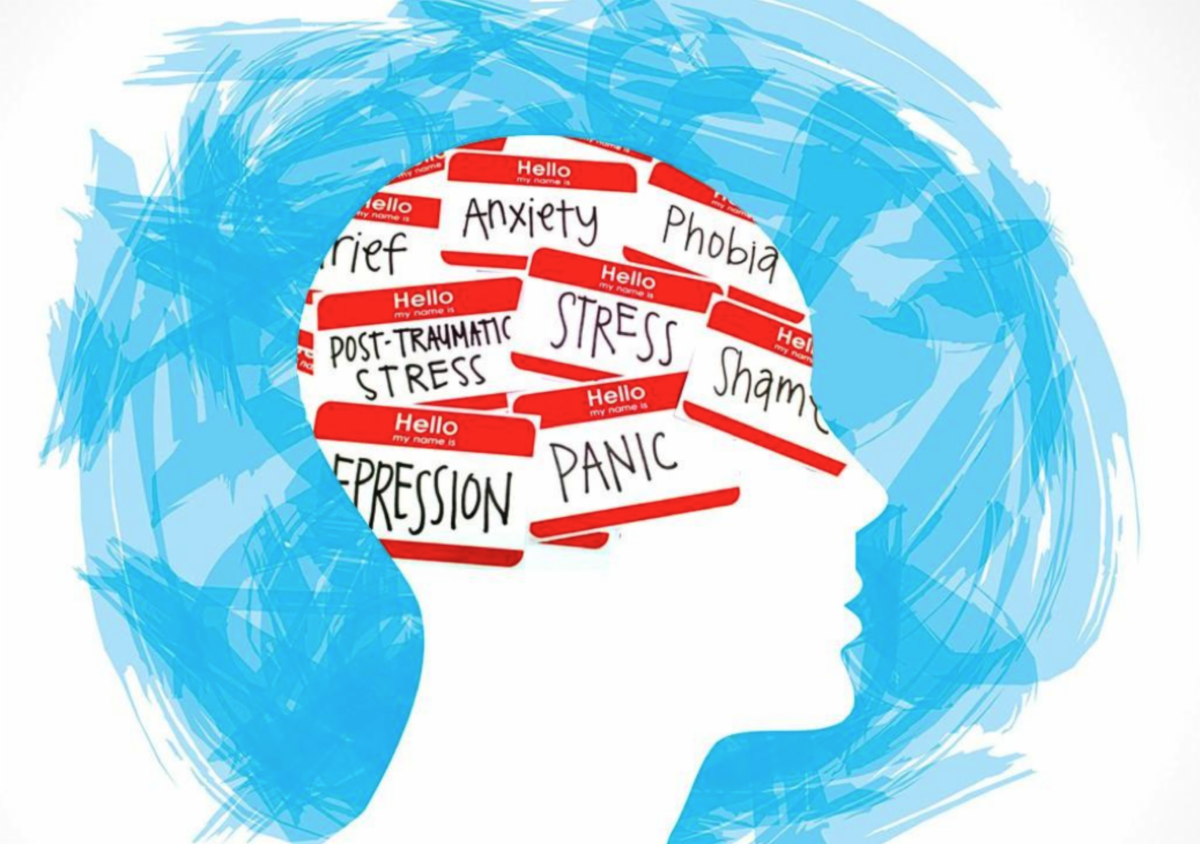
Mental health needs can show up as family conflict, violence, substance use, challenges in the workplace, and difficulty in school for kids. Since Helene we have witnessed increasingly acute mental health needs in our communities.
Our Community Care team spends many hours every week listening and responding to the needs of community members.
Over the past year, SCT staff has had over 1,000 one-on-one in-person conversations with Swannanoa Valley community members about the stories and needs we are facing post-Helene.
In these conversations, we have seen a growing need for attention to mental well-being at the community level and access to mental health care.
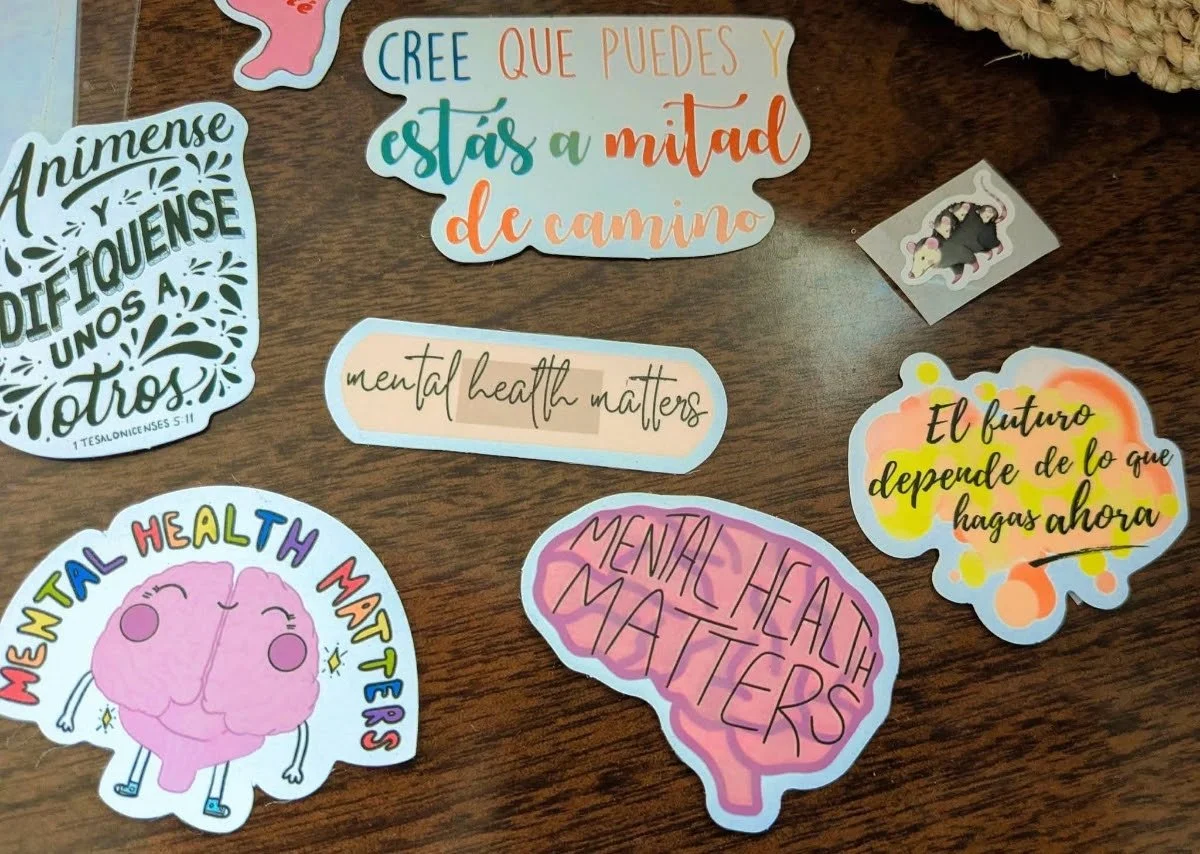
"I think right after the storm we were good and helping each other with the trauma we just went through.
I think we have definitely strayed from that . . . . I think mental health is one of the absolute most important things that people need help with and it is hard to recognize that and then even harder to reach out sometimes for people."
-Participant in SCT Mental Wellness Community Conversation
What happens to community mental wellness after a disaster?
Researchers have studied the impact of natural disasters on community mental health. One study investigated the mental health impact of disasters on flood-impacted communities using data from 2003–2015. This study found that in the first year after a flood, suicide rates typically increased by 18%. In the second year, they increased by 60.5%. (Suicide after natural disasters - Crisis: The Journal of Crisis Intervention and Suicide Prevention - Read More)
Another study looked at opioid overdose deaths in places where there had been FEMA disaster declarations and severe storm events. This research found that severe floods in Appalachia led to a significant increase in overdose mortality that persisted for a decade post-flood. (Severe floods increase long-term opioid overdose mortality: Kristina Brant, Mengjun Ge, Zhen Lei, Yale University, 2025 - Read More)
Community mental wellness is long-haul work after a disaster like Helene. We are building a long-haul community response to meet these needs.
"I thought it was just me."
Earlier this year, in response to what we were hearing in one-on-one conversations with community members, SCT convened a group of community members who had shared with our Community Care staff that they needed support with mental health.
Every member of this group had experienced homelessness or displacement since Helene. Some had been displaced multiple times. Some were still unhoused.
More than a year of insecure housing is enough to create mental health challenges. Trauma from the storm and pre-existing trauma compounded, and community members shared that they were at the lowest points of their lives.
Just not being alone has been a critical lifeline for many. "I thought I was just me and didn't realize that there were ways to get help to feel better," said one community member.
SCT's individualized, in-person, consistent and caring model of Community Care means many community members have long-term, trusting relationships with SCT staff. We have shared traumas and joys, grief and care, and big and small steps forward together. Staff are also impacted community members, and can connect with community members on a human level, building strong connections and trust over time.
The trust SCT has built over almost two years of intensive community work, housed in a consistent, welcoming community center and staffed by trained and trauma-responsive, directly impacted people, has led to disaster-impacted people coming together to support each other's mental and emotional well-being.
We are building out this work into a Community Mental Wellness Program that is taking root in 2026 and will continue and expand next year.
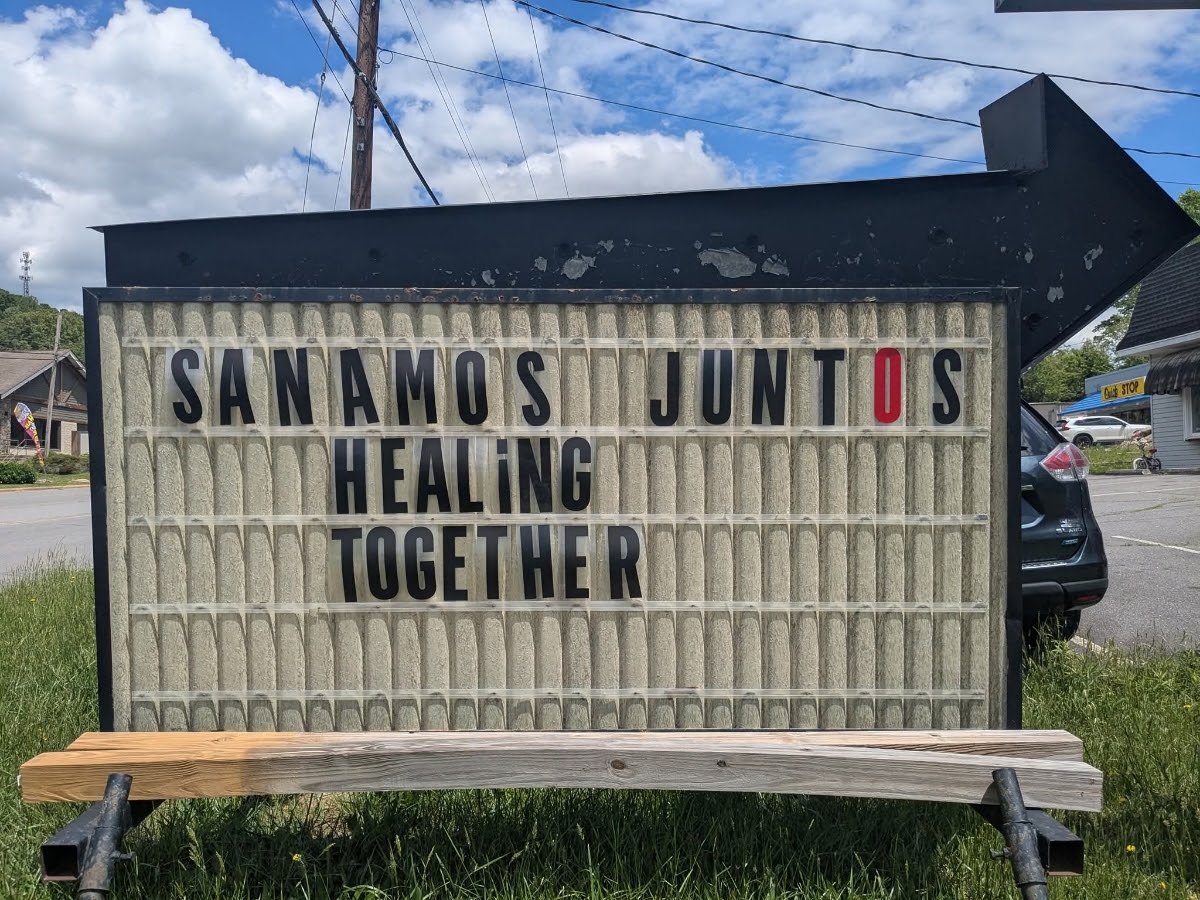
"Trust makes a big difference. You can’t have people just tell you, ‘you have to go to therapy’ you have to establish trust."
-Participant in SCT Mental Wellness Community Conversation
Community Members Have the Answers
Community members are guiding and leading our response to trauma and mental health needs.
In community conversations, people have identified what helps: meeting together for food, art, crafting, writing, being outside and with animals, and volunteering to help the community be better prepared for emergencies. "Working through trauma without necessarily talking about it - crafting, gardening, having work days, volunteering" - these were the kinds of approaches that were named by community members as being most supportive in accessing support for mental health and wellness.
We are building our Community Mental Wellness program from the wisdom of community members - learning what has worked for all of us and mobilizing resources in support of what works.
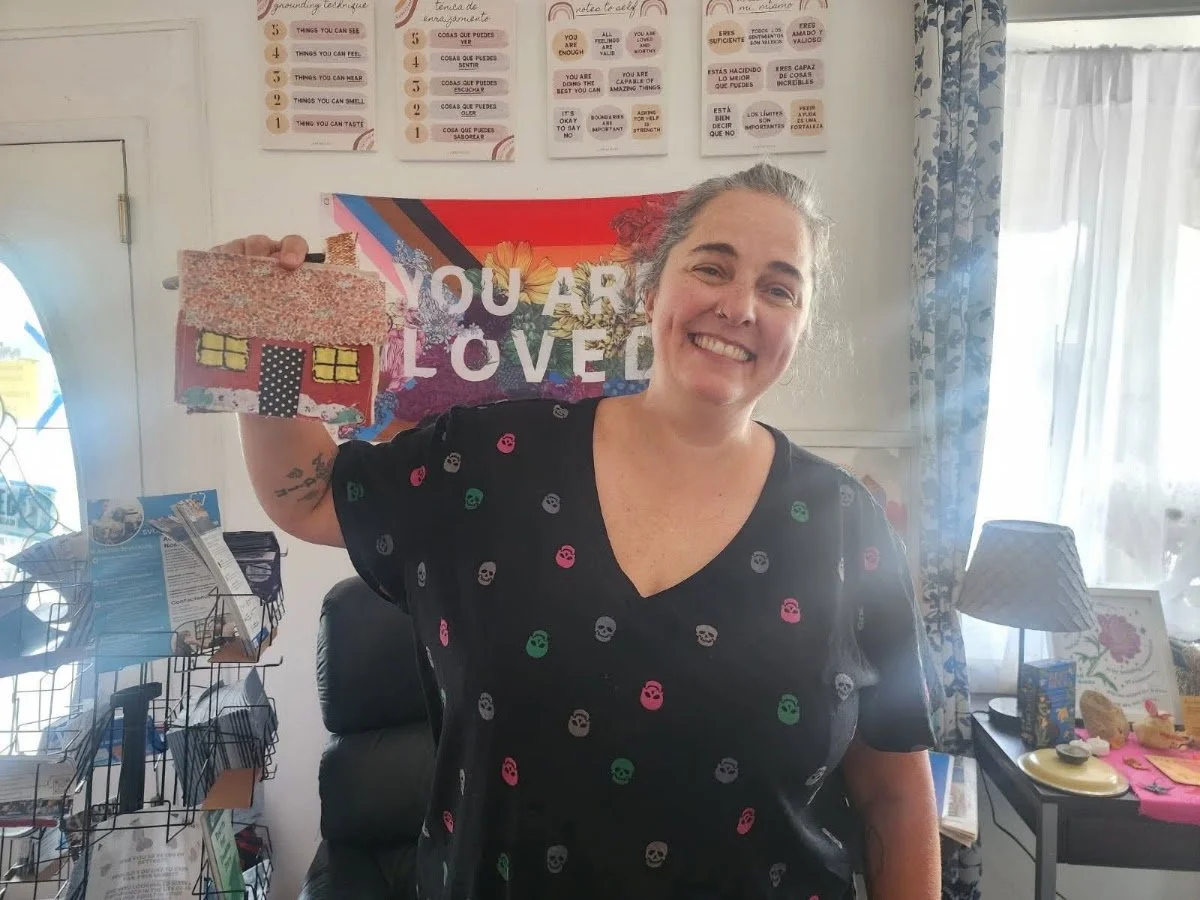
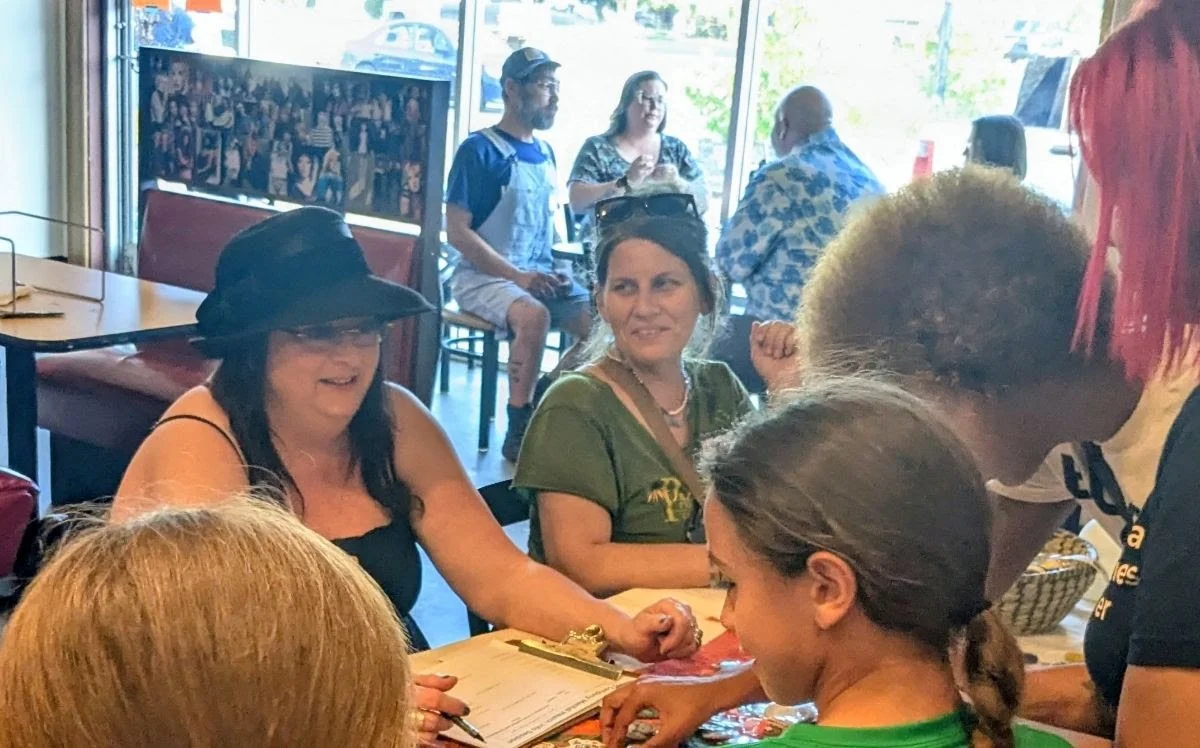
Thanks to the American Red Cross and the Community Foundation of NC, we are now able to pay for private therapy and also able to contract with therapists to support community members at therapeutic gatherings - craft nights, equine therapy, gardening, pizza nights, and more. Community members are leading activities and serving as ambassadors to help others access support.
What SCT Is Doing
SCT is supporting community mental wellness by:
Providing one-on-one Community Care from a trained team of community members five days a week at our Center.
Organizing therapeutic community wellness activities based on input from impacted people.
Partnering with All Souls Counselling and Blue Ridge Hope to connect community members with free counselling - All Souls provides therapy for those who are uninsured and Blue Ridge Hope serves people with Medicaid.
Partnering with Pisgah Legal Services and NC MedAssist to support community members in accessing healthcare, disability benefits, and medication.
Paying for private therapy directly whether or not people have health insurance - with the therapist of your choice, including multiple modalities and approaches for adults, teens, and kids.
This work began in 2026, and will continue in 2027. We are currently raising funds to support and sustain our community mental wellness program.
SCT Mental Wellness Pizza Night with Blue Ridge Hope therapists
